
Energy Storage Systems Solutions


.jpg)
.png)


专为全球业务打造的
完整解决方案
Built for reliability, scalability, and seamless OEM integration — from residential to utility scale.
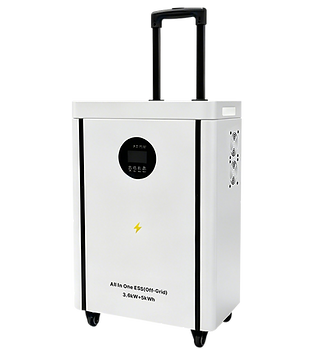
Certified All-in-One ESS Design
可定制化设计方案
打造独特且视觉震撼的网站,体现每位客户的品牌形象。
Flexible OEM & White-Label Support
自适应设计
确保所有设备(包括桌面、平板和智能手机)都能实现流畅的用户体验。
Integrated BMS & Smart Energy Management
Our proprietary Battery Management System delivers real-time cell balancing, fault protection, and cloud-connected monitoring via Modbus, CAN bus, and RS485.
Vertically Integrated Manufacturing
From cell sourcing to enclosure assembly and final testing, Solreach controls the full production chain — ensuring consistent quality at every stage and competitive lead times.
Global Shipping & Scalable MOQ
We ship to over 50 countries with sea, air, and express options. Low MOQ starting from 10 units for prototypes, scaling to container-load production for established OEMs.
Dedicated Technical & After-Sales Support
Our engineers provide pre-sales BOM consultation, installation guidance, remote diagnostics, and warranty management — so your customers stay powered and supported.
Custom Use Cases

Outdoor Energy Storage
Reliable portable power for camping. RVs, outdoor events, and emergency backup. Clean, quiet and
dependable energy wherever you go.

Home Backup Power
Keep essential appliances running during outages with a reliable home energy storage system foruninterrupted daily living.

Residential Solar Storage
Store excess solar energy for use at night and reduce electricity costs with a smart residential energystorage system.

Custom OEM EES Manufacturer for Electrical Systems
Reliable Backup Power
Keep your home or business running during grid outages.
Lower Energy Costs
Store off-peak or solar energy to reduce electricity bills.
Smart Energy Management
Monitor and control your system anytime with intelligent apps.
专为全球业务打造的
完整解决方案
A structured, transparent process from initial spec to final delivery — designed for OEM partners who demand precision.
1. OEM Specification & BOM Review
可定制化设计方案
打造独特且视觉震撼的网站,体现每位客户的品牌形象。
2. Grade-A Cell Procurement & Incoming QC
自适应设计
确保所有设备(包括桌面、平板和智能手机)都能实现流畅的用户体验。
3. Module Assembly & BMS Integration
Cells are assembled into modules in our dust-controlled workshop. The BMS is calibrated and integrated, with parameters configured to match your inverter protocol and safety thresholds.
4. Enclosure Build & IP Rating
The complete system is assembled into your specified enclosure — wall-mounted, floor-standing, or rack format — with IP55 or IP65 sealing, cable management, and OEM branding applied.
5. Full System Charge-Discharge & Safety Test
Every unit undergoes full charge-discharge cycling, overcharge and over-discharge protection testing, short-circuit simulation, and thermal runaway validation before shipment clearance.
6. Certification, Packaging & Export Logistics
We coordinate UN 38.3 transport documentation, CE/UL declaration of conformity, and export packaging to UN standards — with full support for sea freight, air freight, and DDP delivery.
Frequently asked questions about ESS solutions
What is an energy storage system (ESS)?
An energy storage system (ESS) uses batteries to store electricity for later use, enabling backup power and greater use of renewables.
How does a home battery backup system work?
Home battery backup systems charge from solar panels or the grid and automatically power selected home circuits when the grid goes down.
What are the benefits of a home battery backup (residential energy storage)?
Residential battery storage lets you store excess solar power for later use, reducing grid reliance and electricity bills, while providing reliable backup power during outages.
How much does a home battery backup system cost?
In the U.S., a basic home battery backup (essential-circuits) starts around $3,000–$5,000, while larger whole-home systems (20–40 kWh) typically run $8,000–$15,000 or more.
How long will a home battery backup power my house?
A typical 10–15 kWh home battery backup can supply essential loads (~1–2 kW) for roughly 8–24 hours. Adding more batteries (higher capacity) can extend runtime into multi-day outages.
How much battery capacity do I need for my home?
A typical U.S. home uses ~20–30 kWh/day. To back up only essentials (lights, fridge, Wi-Fi) you’d need ~10–15 kWh; for full-home backup (HVAC, ovens, etc.), plan ~20–40 kWh of storage.
Are home battery storage systems safe and reliable?
Modern home battery storage (Li-ion) systems are designed with multiple safety features and last ~10–15 years. They typically retain 70–90% capacity even after 6,000–10,000 cycles.
Do I need solar panels to use a home battery?
No – a home battery backup can be installed without solar, charging from the grid. (That said, pairing it with solar maximizes renewable use and savings.)
What is a portable energy storage system (portable power station)?
A portable energy storage system (portable power station) is a transportable battery backup that provides clean, quiet off-grid power (for camping, RVs, events, etc.), serving as a modern alternative to noisy fuel generators.